Traffic Enforcement in Patrol Compton
Radar, speed limits, clean stops, pursuits, and AI traffic practice for Compton-area patrols.
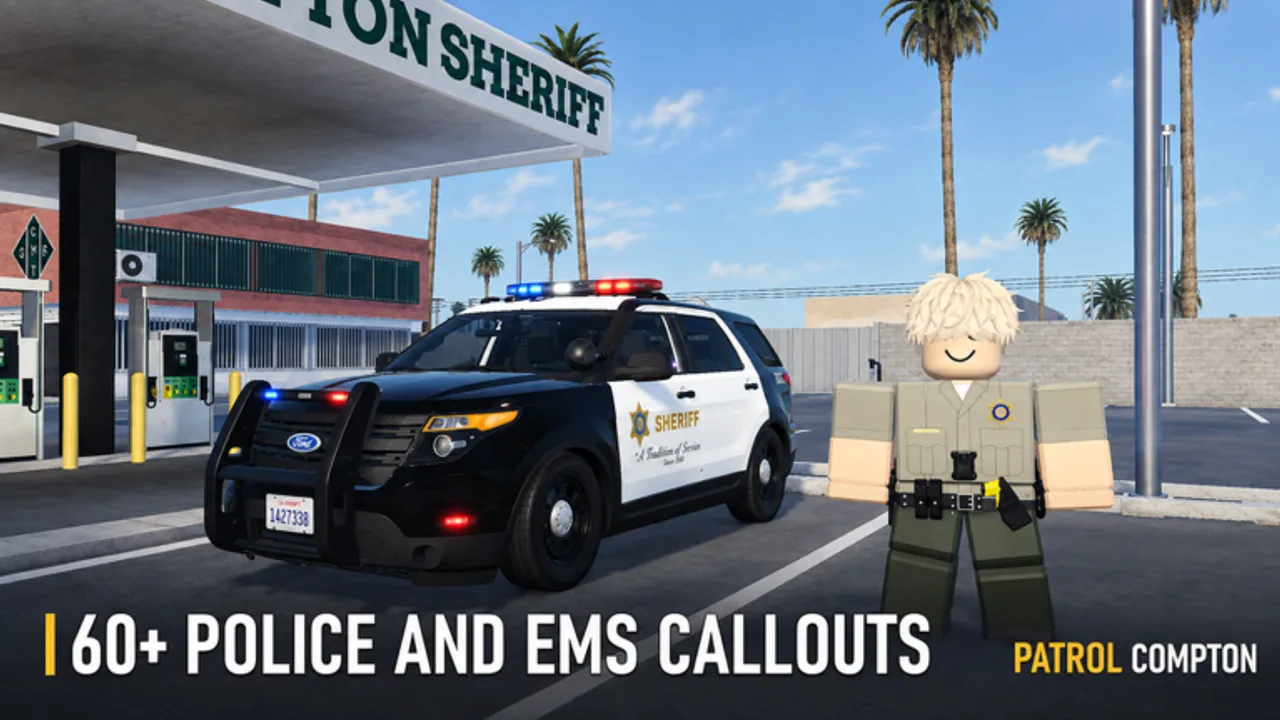
Traffic enforcement is how many Patrol Compton shifts start and how many pursuits begin. You watch speeds with radar, pick violators near the common 30–35 limit, run a disciplined stop, and escalate to pursuit only when the driver flees. This guide covers radar habits, stop choreography, pursuit radio, community PIT talk, and how private-server AI traffic helps you practice without a full public lobby. The experience is a Roblox police RP title from TK Interactive with a Compton and LA-area street feel—treat traffic work as real patrol craft, not random ramming.
New officers should finish the station and gear loop in Getting Started first. When a stop becomes an arrest, follow How to Arrest. Calls that are not pure traffic are covered in Emergency Calls. Browse related pages from the Guides Hub.
Radar and speed limits
Learn where your radar tool lives in the patrol loadout and how to aim it at approaching or receding traffic. Typical community guidance puts ordinary street limits around 30–35; treat that band as your enforcement baseline unless local signage or update notes say otherwise. Sit with a clear sightline, avoid blocking intersections, and pick one violator at a time. Whipping the camera everywhere and chasing every car teaches panic, not pacing.
Good radar positions include straight arterial stretches, hills that hide your unit until the last second, and lanes where you can pull out safely behind a violator. Bad positions include blind corners, crowded station exits, and spots where lighting your lightbar will cause an instant multi-car pileup. After a few shifts you will memorize which Compton-style roads produce clean readings and which produce chaos.
Confirm On Duty status and keep handcuffs plus taser on you even during “just traffic” work. Plenty of stops turn into searches, foot chases, or full arrests. Leaving the department without gear because you “only planned to write tickets” is still a rookie mistake.
Running a clean traffic stop
When you have a solid speed read or observe reckless driving, signal the stop with lights (and siren as needed), pick a safe shoulder or curb, and angle your patrol unit for cover. Exit with purpose. Announce yourself, state the reason for the stop, and keep eyes on hands. Verbal commands matter here the same way they matter on call scenes: clear instructions reduce sudden flight.
Ask for license or roleplay ID as your server culture expects, watch for furtive movements, and decide whether this stays a citation-style contact or escalates to a pat down and cuffs. If you smell a bigger crime from an emergency call handoff—road rage with assault, stolen vehicle vibes, shots fired—do not treat it like a casual speeding stop. Call backup and shift into the arrest checklist early.
Keep the stop lane clear for other AI or player traffic when you can. Parking dead center of a busy road creates secondary crashes that ruin the RP and your pursuit geometry. After the contact ends, extinguish emergency lights when appropriate so you are not a permanent hazard.
Pursuits: when flight starts
If the driver floors it, switch from stop mode to pursuit mode. Radio a short update: direction, vehicle description, approximate speed, and roadway. Do not monologue. Update when the suspect turns, crashes, or bails on foot. Match speed with control; clipping every curb looks flashy and ends with you flipped while the suspect escapes.
Coordinate with other units instead of stacking three SUVs on the same bumper. One primary should own the bumper; others cover parallel streets or prepare a box ahead. When the vehicle finally yields or becomes disabled, stop the chase mindset immediately. Commands, hands, pat down, handcuffs, transport, booking—the full chain in How to Arrest. A pursuit that never books is unfinished police work.
PIT and community pursuit tactics
Community tutorials and shift talk often mention PIT-style precision immobilization: a controlled contact near the rear quarter to spin a fleeing car when policy and physics allow. Treat PIT as an advanced, situational tool—not a first-day bumper car move. Attempt it only when you understand the angle, speed differential, and risk to bystanders. Failed PIT attempts can wreck your Expedition Pursuit, injure RP civilians, and scatter the suspect on foot in a worse location.
Other community tactics include boxing with multiple units, channeling a suspect toward dead-end industrial streets, and waiting for the driver to make a mistake instead of forcing a highway pin every time. Watch experienced players on public shifts, then practice the same geometry on private AI traffic before you try flashy moves in a packed server. Update notes on Updates may change vehicle handling; re-learn after big patches.
AI traffic on private and solo servers
Public servers deliver player suspects and radio drama. Private or solo servers deliver repeatable practice. Change play mode from the left-corner UI to enable AI traffic, then run radar drills, stop approaches, and pursuit lines without waiting for a human speeder. AI traffic is ideal for:
- Learning radar aim and reading speeds near the 30–35 band
- Practicing curb selection and unit angles
- Rehearsing lightbar timing and approach walks
- Testing pursuit routes and recovery after spins
When AI practice feels smooth, move to public shifts where subjects talk back, flee creatively, and force backup decisions. Mix both modes across a week so you do not only know empty-server habits.
Vehicle choice and patrol posture
The Expedition Pursuit remains a common starter SUV for traffic work: stable, visible, and forgiving while you learn. Later unlocks or passes may change your preferred interceptor, but fundamentals stay the same—sightlines, radio, and cuff readiness. Park with an exit plan. Keep fuel for RP seriousness if the experience models it. After crashes, check whether you still have gear before you rejoin a chase.
Proactive traffic between emergency calls keeps the shift alive. Alternate: clear a dispatch call, run a radar set, clear another call. That rhythm earns XP from both Emergency Calls and self-initiated enforcement. Rank goals, CST, and Detective passes are outlined conceptually under Players and compared on the Tier List.
Traffic shift checklist
- On Duty with handcuffs and taser
- Spawn a reliable patrol unit
- Pick a radar post with a clean sightline
- Enforce around the common 30–35 limit band
- Run stops with commands and safe parking
- Escalate to pursuit only on flight; radio tightly
- Convert every ended chase into a proper arrest and booking
- Use AI traffic mode on private servers to drill weak skills
Between shifts, claim promos on Codes, skim Scripts only with full awareness of Roblox rules, and join community Discord at https://discord.gg/fDkUSjkXy for etiquette and update pings from the TK Interactive group. If Patrol Compton is temporarily unavailable during moderation, keep your traffic checklist sharp and return when the experience is online again.
Strong traffic enforcement makes the Compton map feel alive: measured radar, professional stops, controlled pursuits, and arrests that actually reach booking instead of fading into endless chases.
Frequently Asked Questions
Quick answers to the most common Patrol Compton questions.
What speed limit should I enforce in Patrol Compton?
Community guidance commonly treats ordinary streets around 30–35 as the baseline. Use radar readings and local context, and adjust if updates change posted limits.
How do I enable AI traffic for practice?
On private or solo servers, change play mode from the left-corner UI to turn on AI traffic, then practice radar, stops, and pursuits without needing other players.
Should I bring handcuffs on a traffic-only shift?
Yes. Always leave the station with handcuffs and a taser. Many traffic stops escalate into searches, foot chases, or full arrests.
When is a PIT maneuver appropriate?
Only as an advanced, situational tactic when you understand angle, speed, and bystander risk. It is not a beginner bumper-car move and can wreck your unit if mistimed.
What should I radio during a pursuit?
Keep updates short: direction of travel, vehicle description, approximate speed, and major turns. Avoid long monologues that clutter dispatch.
Where do I learn the arrest steps after a chase ends?
Use the How to Arrest guide for commands, pat down, handcuffs, transport, and booking once the fleeing vehicle yields or is disabled.