How to Arrest in Patrol Compton
Verbal commands, pat downs, cuffs, transport, booking, backup, and turning pursuits into clean custody.
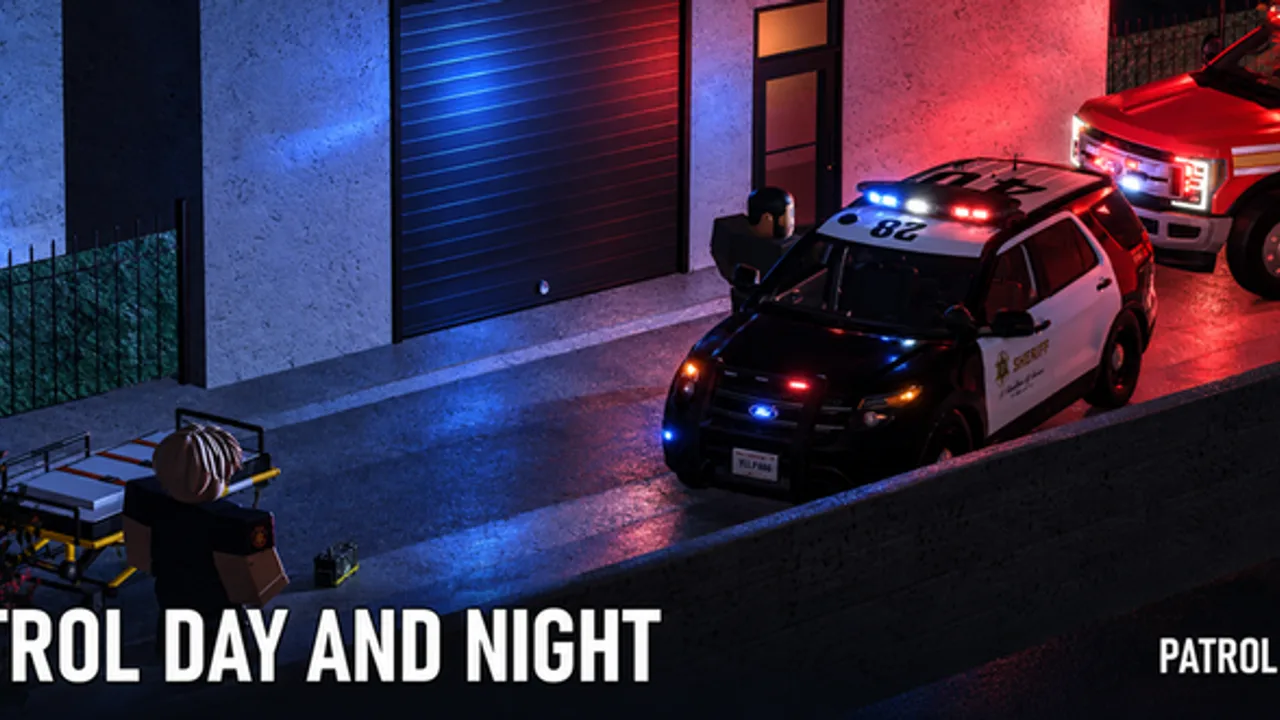
Arrests are the core loop of Patrol Compton. You respond to a call or stop, gain control of a subject, apply restraints, move them safely, and book them at the station. Done well, arrests feed XP, badges, and rank progress. Done poorly, you lose the subject, waste backup, or arrive at booking with missing steps. This guide covers the full custody chain for Roblox police RP on the Compton-style map from TK Interactive, including equipment, backup habits, pursuits that end in arrest, and when CST-style specialized play matters.
If you are still learning the station and first-shift checklist, start with Getting Started. Traffic-only stops and radar work live in Traffic Enforcement. Call intake and closing habits are in Emergency Calls. Overview links for the whole wiki sit on the Guides Hub.
Equipment you need before any arrest
Never leave the department without handcuffs and a taser. Those two tools define whether you can finish a stop. Handcuffs secure a compliant or controlled subject; the taser helps when verbal commands fail and you need a short window to close distance. Add any other issued gear your shift uses for searches, traffic, or high-risk calls. Confirm On Duty status before you roll so the arrest counts toward progression.
Keep gear habits boring and repeatable. After every booking, death, or inventory reset, return to the station rack and rebuild the same kit. CST and Detective game passes unlock specialized workflows for some players, but basic patrol arrests still depend on the same cuff-and-control fundamentals. Pass and role context appears under Players as those pages expand; Tier List helps prioritize what to unlock next.
Verbal commands and scene control
Open every potential arrest with clear verbal commands. Tell the subject to show their hands, stay still, and follow directions. In roleplay terms, this sets the tone, gives cooperating players a clean script, and gives you a reason to escalate if they refuse. Position your vehicle and body so you keep cover, see hands, and leave a path for backup. Do not crowd a subject so tightly that a sudden sprint past you ends the stop.
On multi-unit scenes, one officer should own commands while others cover angles or traffic. Overlapping shouts confuse everyone. If dispatch sent you to a robbery, road rage, or active shooting, assume elevated risk and call for backup early rather than improvising alone. Scene safety beats speed.
Pat down, handcuff, and secure
When the subject complies—or after you regain control—move into a pat down, then apply handcuffs. The pat down is your chance to roleplay finding weapons or contraband and to confirm the subject is safe to transport. Handcuff before you walk them a long distance. A cuffed subject is easier to escort to the car and harder to lose in a foot chase restart.
If the subject resists, use the taser according to the tools you brought, create space, and re-issue commands. Do not chase blindly into unknown alleys without radioing your location. After cuffs are on, keep a hand on the escort and move deliberately to the patrol unit. Check that doors, seats, and your own gear are ready before you commit to the drive.
Transport and booking at the station
Transport is where many arrests fail. Buckle the workflow: subject secured, you in the driver seat, route chosen back to the department, and radio update that you are en route to booking. Drive smoothly. Hard crashes or scenic detours give escape opportunities and waste shift time. On busy public servers, announce your destination so other units do not stack on a call you already cleared.
At the station, follow the booking flow to completion. Booking closes the arrest for XP and keeps the holding area consistent for other players. Skipping booking after a dramatic chase is a common bad habit—you get the highlight clip but miss the progression and the proper RP ending. After booking, reload gear if needed, return On Duty focus to dispatch, and either take the next call or resume proactive patrol.
Backup, multi-unit arrests, and CST notes
Ask for backup when the call type is violent, when multiple subjects are present, or when a stop turns into a fight or flight. Give your location, subject description, and whether you need a cover officer or a second set of cuffs. When backup arrives, brief them in one sentence: who is detained, who is still outstanding, and where you want them.
CST (and similar specialized passes) matters for players who want a more structured enforcement path beyond basic patrol. You do not need CST to arrest correctly, but understanding that the pass exists helps you set mid-term goals after your first successful bookings. Detective-oriented play leans investigative; patrol arrests still feed the same station booking loop. Track pass value against your rank goals instead of buying everything on day one. Community Discord (https://discord.gg/fDkUSjkXy) and the TK Interactive group often clarify current pass perks after updates.
Turning pursuits into arrests
Pursuits start as traffic or call-related flight and should end as controlled arrests, not endless chases. Keep radio updates short: direction of travel, vehicle description, and speed. Coordinate spike, box, or PIT ideas only when your server culture and tools support them—see Traffic Enforcement for stop and pursuit detail. When the vehicle finally yields or crashes to a stop, switch immediately back to verbal commands, hands, pat down, and cuffs. The adrenaline of the chase is not an excuse to skip the custody checklist.
If the subject bails on foot, call the last known direction, avoid splitting so far that nobody can cuff, and treat the tackle-to-cuff moment as high risk. After the subject is secured, cancel the pursuit tone on radio and state that you are transporting. Closing the loop prevents other cars from hunting a ghost.
Arrest quality checklist
Use this list until it is automatic:
- On Duty, with handcuffs and taser confirmed
- Verbal commands and scene positioning
- Control, pat down, handcuff
- Secure seating and clear transport route
- Booking completed at the station
- Gear refreshed and radio cleared for the next call
Pair arrests with call closing habits from Emergency Calls so badges like First Call and longer Dependable streaks keep moving. Watch Updates after patches in case cuff, taser, or booking interactions change. If the experience is down for Roblox moderation, practice the mental checklist offline and return when servers reopen. For scripts or client tools, read Scripts carefully and stay within Roblox rules. Claim any active promo rewards on Codes between shifts.
Mastering arrests turns Patrol Compton from aimless driving into a satisfying police RP loop: control, cuff, transport, book, repeat—with backup when the streets get loud.
Frequently Asked Questions
Quick answers to the most common Patrol Compton questions.
What is the correct order for a basic arrest?
Issue verbal commands, gain control, pat down, handcuff, transport to the station, and complete booking. Do not skip booking after a chase.
Do I need the CST game pass to arrest players?
No. Handcuffs, taser, and solid procedure work on a normal patrol shift. CST and Detective passes add specialized paths, not the basic custody chain.
When should I call for backup during an arrest?
Call early on violent calls, multiple subjects, active resistance, or when a stop becomes a pursuit. Share location and what you need from covering units.
What if I forget handcuffs before a stop?
Return to the station, grab gear, and rebuild the habit. Leaving without cuffs or a taser is the fastest way to fail an otherwise good arrest.
How do pursuits connect to booking?
End the chase, re-issue commands, cuff the subject, transport, and book. A pursuit without booking wastes XP and leaves the RP unfinished.
Where can I learn traffic stops that lead into arrests?
Use the Traffic Enforcement guide for radar, stops, and pursuits, then return here for the cuff-to-booking steps after the vehicle yields.